

Recycling Tree Waste: Benefits and Methods

When trees are trimmed, removed, or damaged, the leftover wood and branches can pile up quickly. Instead of letting this material go to waste, recycling tree waste offers a smart, eco-friendly solution. It helps reduce landfill use, supports local ecosystems, and even benefits your garden or property. In this post, I’ll walk you through the benefits of recycling tree waste and share practical methods you can use to make the most of it.
Why Recycling Tree Waste Matters
Recycling tree waste is more than just a way to clear debris. It plays a vital role in environmental conservation and resource management. When tree waste is discarded improperly, it can contribute to pollution and waste valuable organic material. By recycling, you help:
Reduce landfill pressure: Tree waste takes up significant space in landfills. Recycling keeps this material out of the waste stream.
Lower carbon footprint: Decomposing wood in landfills produces methane, a potent greenhouse gas. Recycling reduces these emissions.
Support soil health: Recycled wood chips and mulch improve soil structure, moisture retention, and nutrient content.
Promote biodiversity: Wood chips and logs can create habitats for insects, birds, and small mammals.
Recycling tree waste is a win-win for the environment and your property. It’s a simple step that makes a big difference.
Effective Methods for Recycling Tree Waste
There are several practical ways to recycle tree waste, depending on the type and amount of material you have. Here are some of the most common and effective methods:
1. Mulching
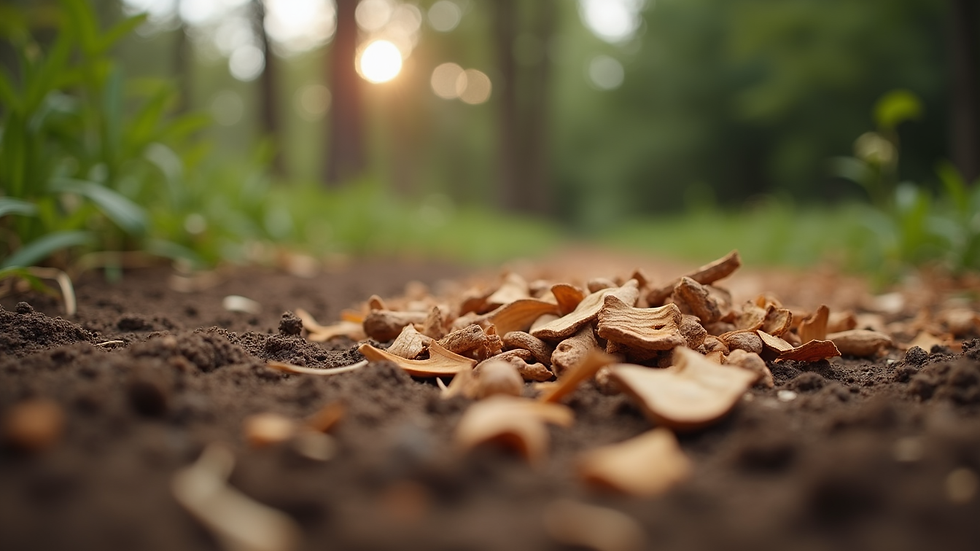
Mulching is one of the easiest ways to recycle tree waste. Wood chips and shredded branches make excellent mulch for gardens and landscaping. Mulch helps retain soil moisture, suppress weeds, and regulate soil temperature.
Use a wood chipper to turn branches into mulch.
Spread mulch around trees, shrubs, and flower beds.
Avoid piling mulch too close to tree trunks to prevent rot.
2. Composting
Smaller branches, leaves, and bark can be composted to create nutrient-rich soil amendments. Composting tree waste speeds up natural decomposition and returns valuable nutrients to the soil.
Chop or shred tree waste into smaller pieces.
Mix with green waste like grass clippings and kitchen scraps.
Turn the compost pile regularly to aerate and speed up breakdown.
3. Firewood and Biomass Fuel
Larger logs and branches can be cut and dried for firewood. This is a great way to recycle tree waste while providing a renewable energy source for heating.
Cut logs into manageable sizes.
Store in a dry, ventilated area to season.
Use responsibly in wood-burning stoves or fireplaces.
4. Habitat Creation
Some tree waste can be left in natural areas to create habitats for wildlife. Logs and branches provide shelter and food sources for insects, birds, and small mammals.
Place logs in shaded, undisturbed areas.
Avoid blocking pathways or creating hazards.
Use this method especially in larger gardens or natural reserves.

Who Can I Donate a Tree To?
If you have a healthy tree that needs relocating or a tree that someone else could use, donating it is a fantastic option. Many organisations and community groups welcome tree donations to support reforestation, community gardens, or landscaping projects.
Local schools and community centres: They often plant trees for educational or beautification purposes.
Environmental charities: Groups focused on reforestation or habitat restoration may accept tree donations.
Neighbourhood associations: Some local groups organise tree planting days and welcome donations.
Tree nurseries: Occasionally, nurseries accept young trees for resale or replanting.
Before donating, check the health and species of the tree to ensure it’s suitable for the recipient. Also, confirm transport and planting arrangements to make the process smooth.
How Businesses and Organisations Can Manage Tree Waste
For businesses and public sector organisations, managing tree waste efficiently is crucial. It helps maintain a professional image and supports sustainability goals. Here are some tips:
Partner with local recycling centres: Many centres accept tree waste for chipping or composting.
Hire professional tree care services: Experts like APTS Tree specialists provide safe, reliable tree waste removal and recycling.
Implement on-site recycling: Use chippers and composters to process waste directly on your property.
Educate staff and contractors: Ensure everyone understands the importance of proper tree waste disposal.
By adopting these practices, organisations can reduce costs, improve environmental impact, and comply with local regulations.
Taking Action: How You Can Start Recycling Tree Waste Today
Recycling tree waste doesn’t have to be complicated. Here are some simple steps you can take right now:
Assess your tree waste: Identify what type of material you have and how much.
Choose the right recycling method: Mulch, compost, firewood, or donation.
Gather necessary tools: Wood chipper, compost bin, saws, or transport options.
Create a plan: Decide where and how you will recycle the waste.
Contact professionals if needed: For large jobs, expert help ensures safety and efficiency.
Remember, every bit of tree waste recycled helps protect the environment and enhances your outdoor space.
If you want to learn more about tree recycling, including services available in Derbyshire, Nottinghamshire, Lincolnshire, and Leicestershire, APTS Tree specialists are ready to assist with expert advice and professional care.
Embracing Sustainable Tree Care Practices
Recycling tree waste is just one part of sustainable tree care. By adopting responsible practices, you contribute to healthier landscapes and communities. Consider:
Regular tree maintenance to reduce waste.
Choosing native species that require less intervention.
Supporting local recycling and composting initiatives.
Educating others about the benefits of tree recycling.
Together, these actions create a positive impact that lasts for generations.
By making tree waste recycling a priority, you’re not only managing your property better but also playing a part in protecting the environment. Whether you’re a homeowner, business, or organisation, the benefits are clear and the methods are accessible. Start today and see the difference it makes!


Comments